Industrial operations across the country are facing an unprecedented challenge: keeping their production lines fully staffed without blowing past operational budgets. As corporate mega-facilities expand their reach, the competition for local labor has shifted from a predictable market into an intense regional wage war.
Navigating this landscape requires plant managers and operations leaders to move beyond reactive hourly pay increases and adopt a strategic approach that protects both their workforce capacity and their bottom line.
1. The Reality of the Local Labor Corridor
The Problem: The Mega-Facility Effect
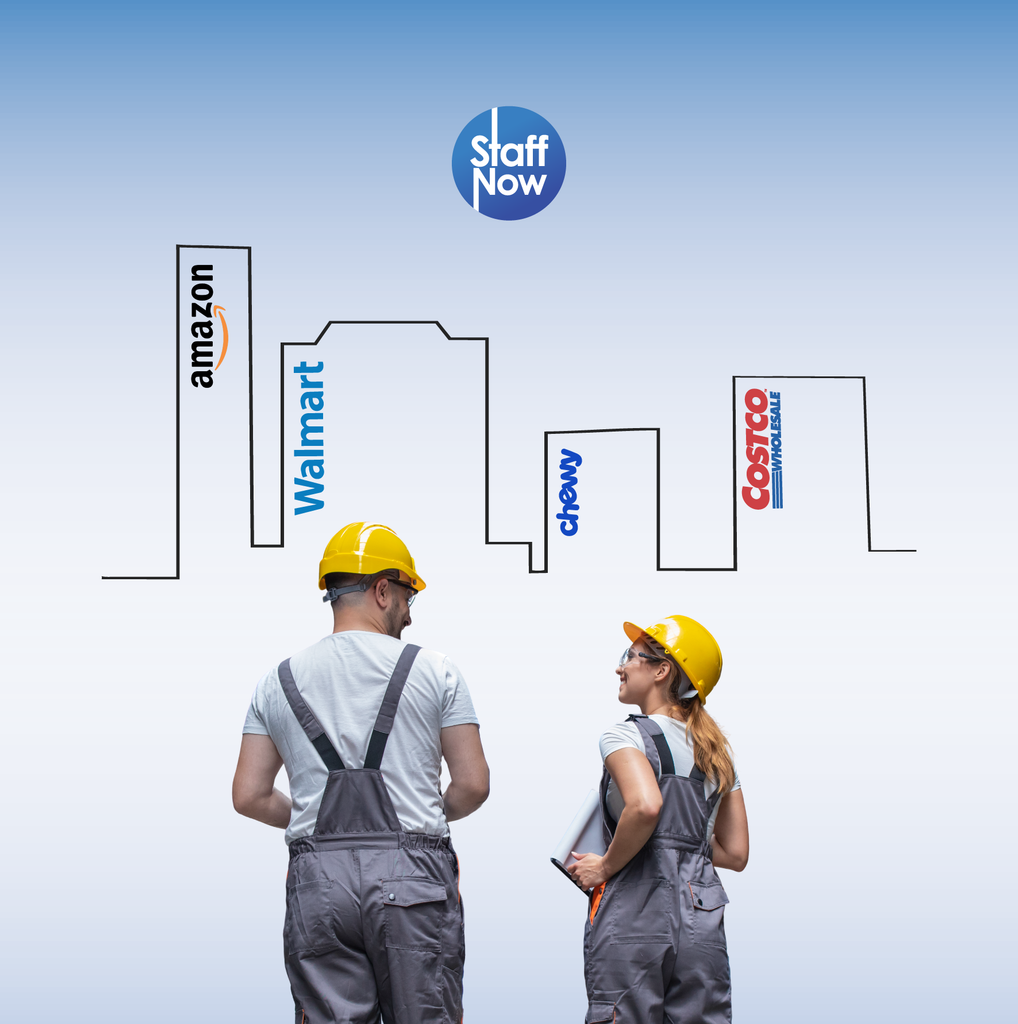
If you operate in an industrial hub, you aren’t just competing with the factory down the street, you’re competing with regional clearing rates set by corporate giants like Amazon, Walmart, Chewy, and Costco. When these mega-facilities adjust entry rates, stack flash attendance bonuses, or roll out peak-season incentives, the local labor market reacts immediately.
The Trap: The Dollar-for-Dollar Wage War
The default reaction for many operations is to attempt a full base-rate match across the board. But for mid-sized plants, trying to out-spend continuous $1.00/hr wage spikes is a dangerous game. Permanently locking in higher fixed labor costs destroys profit margins, especially when market surges cool down.
The Flaw of “Regional Market Averages”
Relying on traditional annual market surveys leaves your floor exposed. Market averages are static snapshots of the past; operator decisions are made in real-time. If an operator’s commute is identical, a small weekly difference in pay—or a sudden bonus down the road—is reason enough to jump ship. Relying on outdated data leads to sudden show-up rate drops that catch management off guard.
2. Shift the Battleground: From Base Pay to Total Workforce Value
When an Amazon or Walmart facility down the highway raises its baseline wage, the knee-jerk reaction is often panic. However, competing dollar-for-dollar on base pay is a race to the bottom for mid-sized plants.
The key is to shift the conversation on the floor from hourly pay to Total Workforce Value when competing for local labor. Workers don’t just leave for money; they leave when the overall experience on your floor doesn’t justify staying.
A. Targeted Incentives vs. General Wage Hikes
Raising base pay across the entire plant permanently inflates your fixed cost structure. Instead, high-performing operations use agile, high-impact incentive structures:
- Attendance & Reliability Bonuses: A targeted bonus for completing a full workweek (or critical high-volume shifts like Friday nights or Mondays) places extra cash directly in the operator’s pocket when it matters most, without permanently locking in a higher base rate.
- Peak-Window Perks: Offering temporary micro-incentives during high-demand surges keeps the line moving while maintaining your baseline budget during regular operations.
B. Predictability Over Chaos
Transactional mega-facilities often view operators as interchangeable units, leading to unpredictable scheduling, sudden shift changes, and burnout. You can win on predictability:
- Stable Schedule Commitments: Offering consistent shifts and transparent overtime planning allows operators to manage their personal lives, family care, and commutes—a benefit many value higher than a temporary $1.00/hr bump.
- Fair Workload Distribution: Preventing line burn by distributing high-intensity tasks evenly builds trust. When workers feel respected on the floor, the marginal appeal of a competitor’s bonus drops significantly.
C. Creating a Frictionless Floor Experience
The first 30 days are critical; most turnover happens when a new hire feels lost or unsupported. Upgrading the daily floor experience directly impacts retention:
- Structured Onboarding: Replacing the “sink-or-swim” mentality with clear training and direct mentorship reduces early-stage frustration.
- Direct Communication & Recognition: Simple operational adjustments—such as floor leads acknowledging consistent performance and active feedback channels—transform a transactional job into a long-term role.
3. Operational Adjustments: Protecting Margins & Capacity
Measuring the Real Cost of Turnover
When local labor turnover spikes, leadership often sees only the recruiting invoice. In reality, the true cost of losing experienced operators is hidden across the floor:
- Escalating mandatory overtime for remaining core staff.
- Productivity drops and ramp-up friction from constant retraining.
- Increased scrap rates, quality issues, and missed delivery SLAs.
Investing in targeted incentives and floor experience is far less expensive than absorbing the operational drag of a depleted line.
Pro Tip: Managing your labor pool efficiently isn’t just about total headcount; it’s about understanding your plant’s true operational output. To learn how to prevent hidden throughput loss and calculate your real floor potential, check out our guide on Headcount vs. Capacity: Measuring Real Floor Output.
Building Dynamic Workforce Layering
You don’t need to permanently overstaff your floor just to guarantee baseline capacity. High-performing plants protect their margins through workforce layering:
- The Core Team: A stable, highly retained baseline crew supported through strong floor culture, predictable shifts, and fair compensation.
- The Surge Layer: Flexible, targeted support deployed during volume spikes or seasonal surges to absorb burnout and prevent overtime fatigue on your core team.
4. Strategic Takeaway: Engineering Retention
You don’t need the largest recruiting budget in the zip code to win the local labor war. Mega-facilities may set the baseline market rate, but your daily floor experience determines whether operators stay or leave.
By benchmarking local rates, replacing static pay hikes with agile incentives, and building a floor environment defined by respect and predictability, you turn your facility into a place where talent actively chooses to stay—protecting both your people and your bottom line.